Custom Laser Cutting services are constantly in high demand across Australia. Paper, metal, plastic, timber, leather, and chiffon are just a few of the materials commonly cut with the help of laser beam technologies.
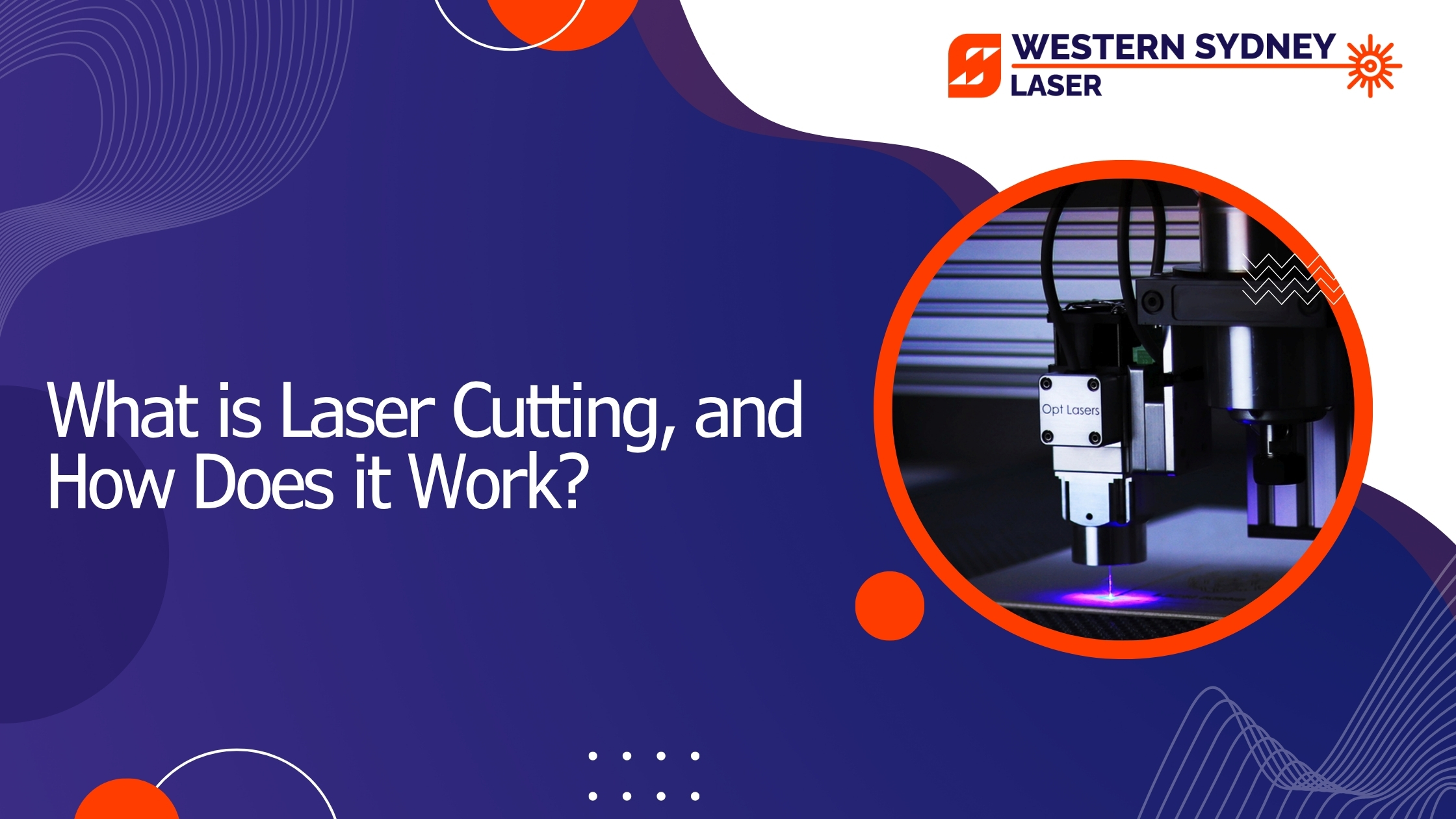
A focused laser beam is used in this precision manufacturing process to cleanly cut through various mediums, including fabric, metal, wood, and plastic.
Through specialized optics, the intense laser aims to melt, burn, or vaporise the material, leaving a perfectly clean edge behind.
Laser cutting is widely utilized across the electronics, automotive, and aerospace industries, and is completely computer-controlled to ensure absolute precision.
Its main benefits include incredibly quick cutting rates, exceptional accuracy, and the capacity to form highly intricate shapes.
Furthermore, this non-contact approach significantly reduces material waste, making it both highly productive and cost-effective.
What is a Laser Cutting Machine’s Working Procedure?
Numerous functionalities are available for various sectors using laser machining technology.
Most of these machines operate in the same way, regardless of features.
Here are the procedures for running a CNC laser machine:
- G-Code Loading
The machine begins to function as soon as the operator loads the G-code into the system.
The laser cutting machines get movement direction instructions from the G-code.
- Laser Beam Generation
The laser resonator produces the light beam once the equipment is operating.
There may be differences in the laser generation process for different lasers.
Furthermore, the color of the laser may vary—for example, the infrared light generated by the laser generator in CO2 lasers. Human vision can see the full laser beam.
- Pointing the Laser
A focusing apparatus is used to direct the laser beam towards itself. Angles are possible for a row of mirrors.
Another alternative is to utilize a specialist beam bender to steer the generated laser toward the focus area.
- Laser Focusing
A focusing lens and a laser focusing head are used for this.
Furthermore, the focusing system ensures no stray light rays in the perfectly rounded focused laser beam.
- Material Cutting
The material is melted by the laser beam’s prolonged exposure to the point of contact.
Depending on the type and thickness of the material, exposure times vary.
- Cutting Head Movement
Depending on the specific job, movement speed varies.
Laser Cutting Applications
Laser cutters are a convenient piece of technology in the modern world.
Here are the industries that can benefit from laser cutting:
- Aerospace manufacturing: Although accurate and efficient, they are often used to make airplane parts.
- Automotive manufacturing: It assists in producing precise auto parts and components.
- Textile manufacturing: Used often to give cloth forms and patterns.
- Woodworking: Using laser cutters, wood may be carved with precise patterns and shapes.
- Medical devices: It is commonly used in the medical field for implants like stents and pacemakers.
- Glass cutting: Intricate glass designs can be made with it.
Conclusion
Using a powerful laser beam is an accurate and effective way to cut materials.
This method produces precise, clean cuts by applying vital energy to the material, melting, burning, or vaporizing it.
Thanks to its speed, versatility, and low waste output, it is highly valued and frequently used for various materials, including metals, plastics, wood, and textiles.
Western Sydney Laser Cut provides innovative solutions with lightning-fast turnaround times and flawless precision for artistic and industrial demands.
Trust their skills to bring your designs to reality.